



Carbide
Sintered for your success
With our high-quality carbide, which we also use for our own tools, we offer you the assurance that our products are the result of decades of experience. As one of the largest carbide manufacturers worldwide, Gühring Carbide produces carbide of the highest quality – right here in Germany. Our carbide is manufactured with the utmost precision and using state-of-the-art technology at our production facilities in Germany.
Carbide basics
What is carbide?
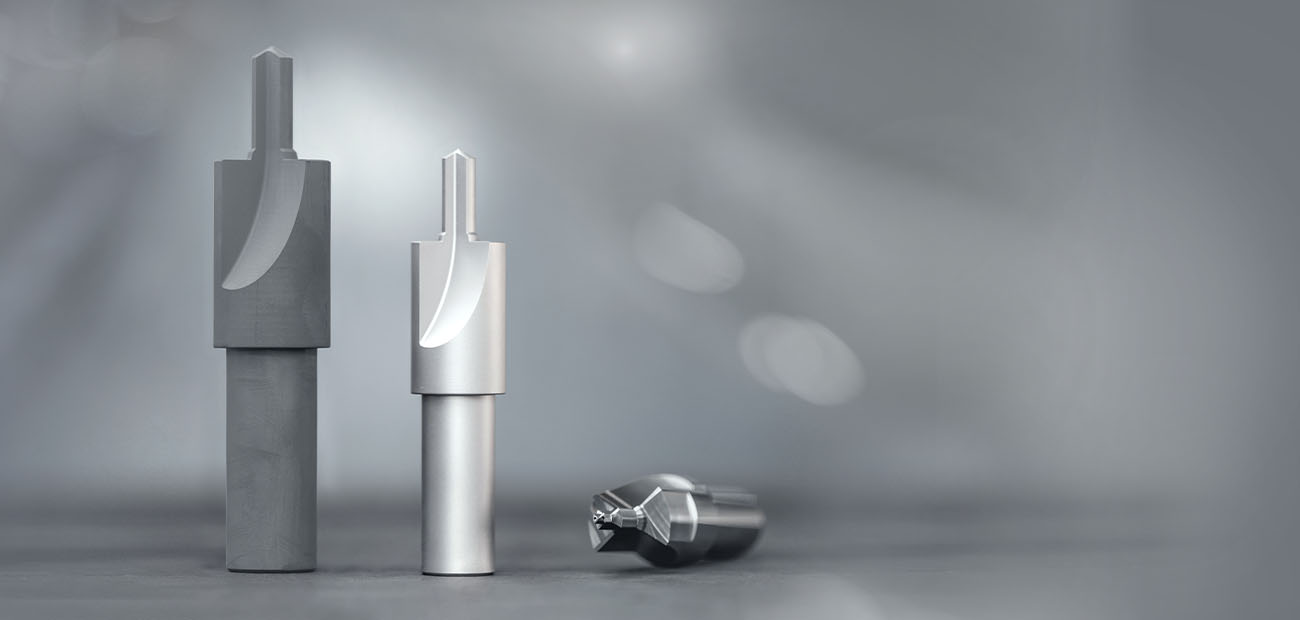
Carbide is a material with extremely high hardness and wear resistance, which is often used for tools and machine parts that are exposed to high loads. For example, drills and milling cutters for machining metal are made of carbide to ensure that they retain sharp cutting edges even at high speeds and achieve a long life.
Carbide components
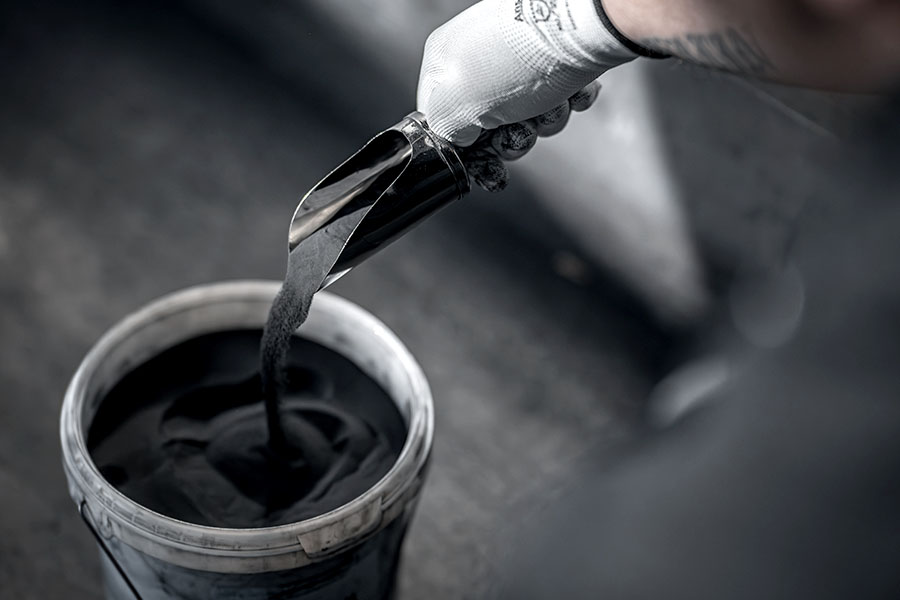
Two components are required to produce carbide: a hard material, usually tungsten carbide (WC), and a binder, usually cobalt (Co). Tungsten carbide gives carbide its extremely high hardness and makes the material resistant to wear. The higher the proportion of tungsten carbide, the harder but also the more brittle the carbide becomes. The binder binds the hard material particles together, giving the material a certain toughness and making it less brittle. The composition can be varied depending on the carbide grade to achieve different properties. For example, the proportion of binder can be increased to improve toughness, or the proportion of tungsten carbide can be increased to maximise the hardness and wear resistance of the products.
Properties of carbide
Its special properties make carbide a popular material that has been specially developed for applications requiring high hardness and resistance. Its chemical resistance makes it resistant to corrosion and aggressive substances, enabling it to be used in demanding environments. Due to its high density, it is also heavier than many other metals, steels and alloys.

Hardness of carbide
Carbide is characterised by an extraordinary hardness. In addition, carbide, in contrast to steel, shows impressive heat resistance. This means that the material retains its hardness even during machining operations in hot environments.
Wear resistance of carbide
Due to its tungsten carbide content, carbide withstands even heavy wear during machining and remains stable even under repeated stress. This makes this material ideal for tools in machining technology that have to withstand high mechanical stress and material removal.

Cutting edges of carbide tools
The cutting edges of carbide tools are extremely sharp and have high stability, making them ideal for precision applications and machining hard materials. Thanks to the high hardness and wear resistance of carbide, the cutting edges remain sharp and durable even under intensive use. This means that carbide tools can remain in use for longer without having to be resharpened or replaced, which increases efficiency and productivity in the work process.
Coating of carbide
The coating of carbide is a decisive factor in further improving the already high level of performance and life of the tools. Coatings also help to reduce friction between the tool and the workpiece, making the machining process more efficient and consistent. The high hardness and stability of tungsten carbide provides an ideal basis for bonding with extremely hard and heat-resistant coatings such as titanium nitride (TiN) or titanium aluminium nitride (TiAlN).
Differences between carbide and other materials
Carbide differs from steel, ceramics and HSS (high-speed steel) in several properties: it combines the hardness of carbides with the toughness of a binding metal, making it significantly more efficient and cost-effective than other materials. Unlike conventional steels, carbide remains stable even at high temperatures and deforms less under pressure. Other materials such as high speed steel (HSS) are more flexible, but wear out more quickly and lose their sharpness with intensive use.
Applications of carbide
Carbide is used in numerous industries and machining operations where high hardness, wear resistance and precision are required. In metalworking, carbide is used for dies and punches in pressing and stamping processes because it can withstand high mechanical loads and offers a long tool life. Carbide is used in drill bits, milling tools for road construction and rock drills. Its high wear resistance enables the machining of rock, concrete and other hard materials, extending the life of the tools. Carbide is also used for products such as bearings, nozzles and valves that are constantly exposed to abrasion or chemical attack. In the medical sector, carbide is used for instruments such as scalpels, milling cutters and drills, which require high precision and durability while offering high cutting sharpness.
How can the wear resistance of carbide be measured and improved?
The wear resistance of carbide is usually measured using special abrasion tests, in which material is subjected to stress under controlled conditions in order to analyse material loss. Test methods such as the three-disc wear test or the abrasive wear test are used to document abrasion and crack formation. To improve wear resistance, the composition of the carbide can be optimised, for example by adjusting the cobalt content or adding other carbides such as titanium carbide. In addition, fine-grained tungsten carbides contribute to higher hardness and thus to better wear resistance. Coatings offer additional protection against wear.
How is carbide used in drilling technology and what advantages does it offer over other materials?
Carbide is often used in drilling technology to manufacture tools as it has exceptional hardness and softness. These properties make it ideal for machining hard metals such as steel, which are difficult to penetrate with conventional tools. Compared to other materials, carbide remains stable under intensive use and reduces wear, thereby extending the life the products.
What role does carbide play in modern manufacturing and what developments can be expected in this field?
Carbide plays a central role in modern manufacturing. Thanks to its hardness and wear resistance, it helps to reduce machining times and increase the efficiency of manufacturing processes. Future developments will focus on improving carbide compositions and integrating new coatings to further increase the level of performance and life. Sustainability is also playing an increasingly important role, with a focus on recycled carbide materials and resource-saving manufacturing processes. In addition, the combination with digital production technologies, such as additive manufacturing, is expected to enable even more precise and customised tools.
Production of carbide
From powder to carbide blank
Powder metallurgy
Powder metallurgy is a process for manufacturing materials and products from metal powders and plays a central role in the production of carbide. In this process, fine metal powder is processed in a series of steps to produce the desired carbide.
Mixing & grinding
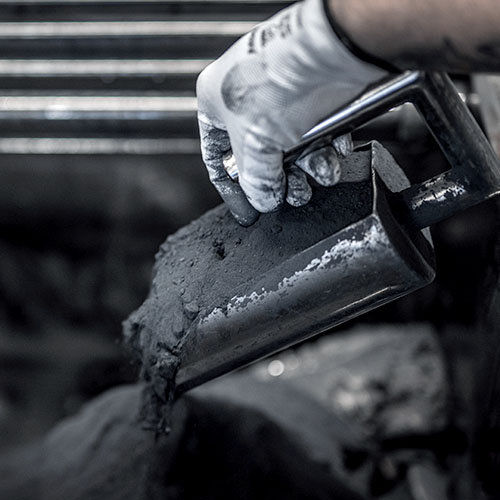
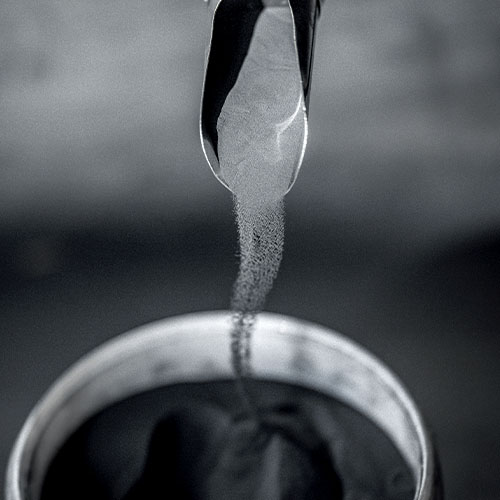
In the first step, different metals such as tungsten carbide (WC) are ground into powder and combined into an uniform powdery mixture. A binder such as cobalt is added. This mixture influences the later mechanical properties of the carbide.
Ceramics as binder
Ceramic as binder in the production of carbide is an alternative to metallic binders such as cobalt. This type of binder can be advantageous when particularly high hardness, corrosion resistance and heat resistance are required. Ceramic-bonded carbides are therefore primarily used for products in special high-performance applications, such as in aerospace, medical sector or in high-speed and high-temperature machining.
Kneading
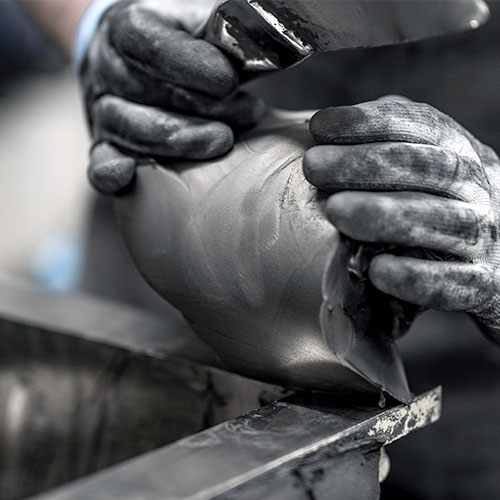
To achieve an even distribution of the metal particles, the carbide powder is kneaded mechanically after mixing. Liquid binders or plasticisers are added to create an extrudable mass. Kneading also ensures that the subsequent end product has a uniform microstructure and uniform mechanical properties.
Pressing
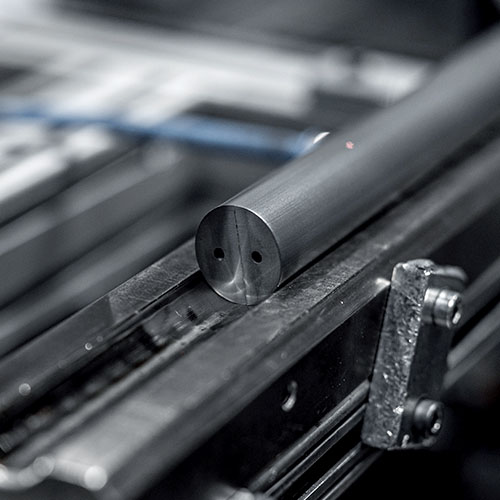
The powder mixture is pressed into a specific mould under high pressure. This step produces a compact “green part” that still has a relatively low strength. When pressing, a distinction is made between two processes, depending on the geometry and end application of the carbide, which optimally utilise their respective properties.
Dry pressing: dry pressing is suitable for small, simple and symmetrical moulding and enables fast moulding without additional drying times. In a matter of seconds, the punch and die press parts of various geometries into a mould.
Extrusion: Extrusion is a process in which the carbide powder is prepared into a malleable mass and then pressed through a shaping die. Extrusion is better suited for long, uniform profiles and complex cross-sections.
Drying
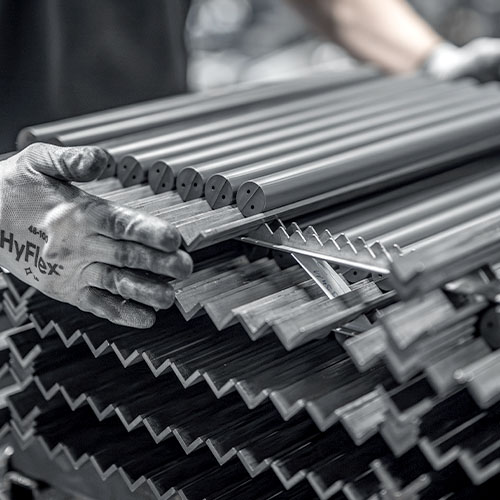
After kneading, some of the added liquid is slowly removed from the products under strictly controlled conditions in climate chambers and special drying ovens. Drying time varies depending on diameter the green parts.
Sintering
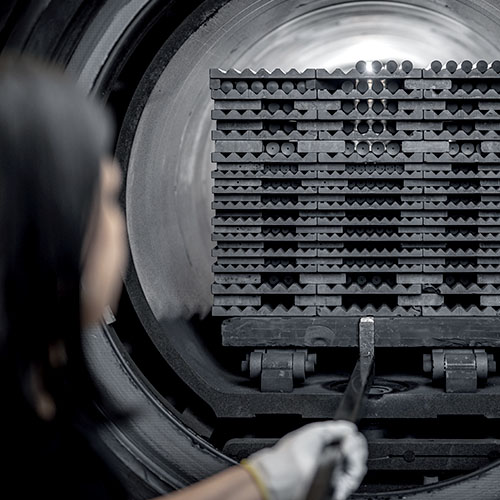
The green part is sintered in a furnace at high temperatures (up to 1,600 °C). At around 1,380 °C, the cobalt melts and flows into the spaces between the tungsten carbide grains. Sintering gives the material its final strength and hardness because the metal particles are compacted into a solid, dense material with high density. The result is pore-free moulded parts, with shrinkage of up to 25%.
Fine machining
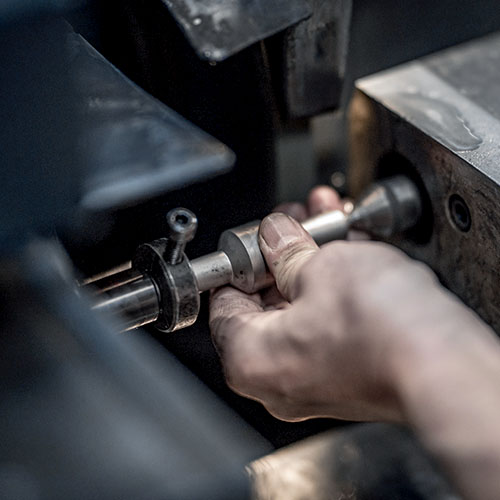
In some cases, the carbide is further processed after sintering, for example by grinding or coating, in order to achieve the final dimensions and surface properties. Since carbide is extremely hard and wear-resistant after sintering, specialised processes and tools are required for machining. For example, diamond or CBN grinding wheels are used to remove material.

 Academy
Portfolio
Our quality, your advantage
Carbide from the market leader
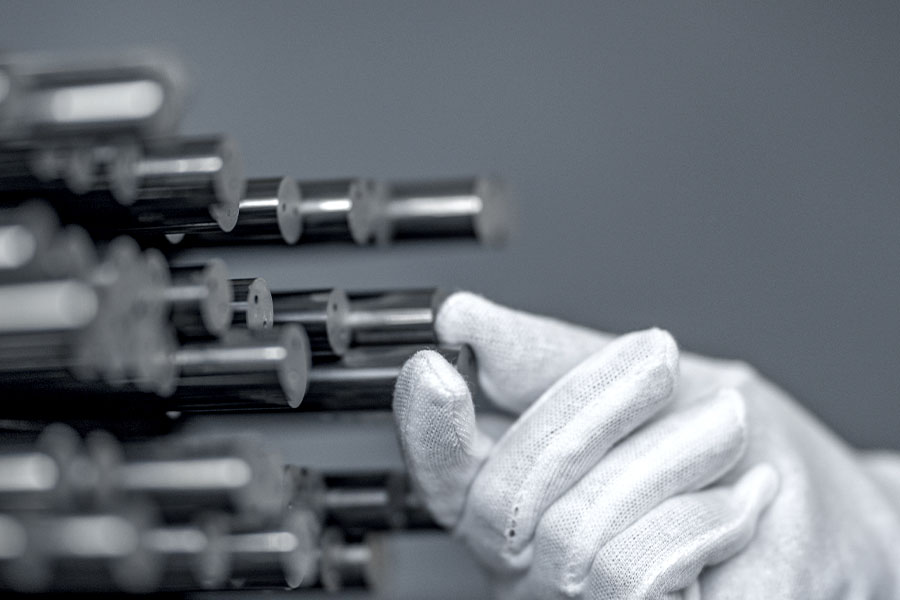
Our product range covers a wide spectrum of carbide solutions that meet virtually every order. From high-precision bars up to 40 mm in diameter to wear parts and customised special parts – we have what you are looking for.
The right carbide grade for everyone
Whether you need precision, durability or versatility, we offer an extensive range of high-quality products that perfectly meet your needs. Our enormous range of products enables you to find the ideal solution for your specific machining requirements.
Carbide ISO table
Not all carbides are the same, as our carbide grades differ in their technical details. The following ISO table provides a quick overview of the mechanical properties and compositions of the carbide grades.
| Varieties | GC100SX | GC060F | GC100S | GC120U | GC080S | GC070S | GC090S | GC060S | GC090U |
|---|---|---|---|---|---|---|---|---|---|
| Classification | K20 – K40 | K15 – K20 | K20 – K40 | K20 – K30 | K20 – K30 | K10 | K10 | K05 – K10 | K05 – K10 |
| Co (%) | 10.0 | 6.0 | 10.0 | 12.0 | 8.0 | 7.0 | 9.0 | 6.0 | 9.0 |
| WC including doping (%) | 90.0 | 94.0 | 90.0 | 88.0 | 92.0 | 93.0 | 91.0 | 94.0 | 91.0 |
| Hardness HV30 (±50) (kg/mm²) | 1560 | 1620 | 1620 | 1690 | 1720 | 1850 | 1850 | 1870 | 1920 |
| Fracture toughness KIc (MPa-m1/2) | 11.5 | 9.9 | 10.6 | 10.0 | 9.5 | 9.6 | 9.4 | 9.3 | 9.3 |
| Bending strength (N/mm²) | 3700 | 3200 | 4100 | 4000 | 3800 | 3500 | 3800 | 3900 | 3800 |
| Middle grain size (µm) | 0.5 – 0.8 | 0.8 – 1.3 | 0.5 – 0.8 | 0.2 – 0.5 | 0.5 – 0.8 | 0.5 – 0.8 | 0.5 – 0.8 | 0.5 – 0.8 | 0.2 – 0.5 |
Due to the dependence of the measured values of the critical intensity factor KIc on the sample geometry and sample preparation, the measured values can only be compared with values determined under the same conditions. Valid porosity for all types: A <0 / B 00 / C 00.
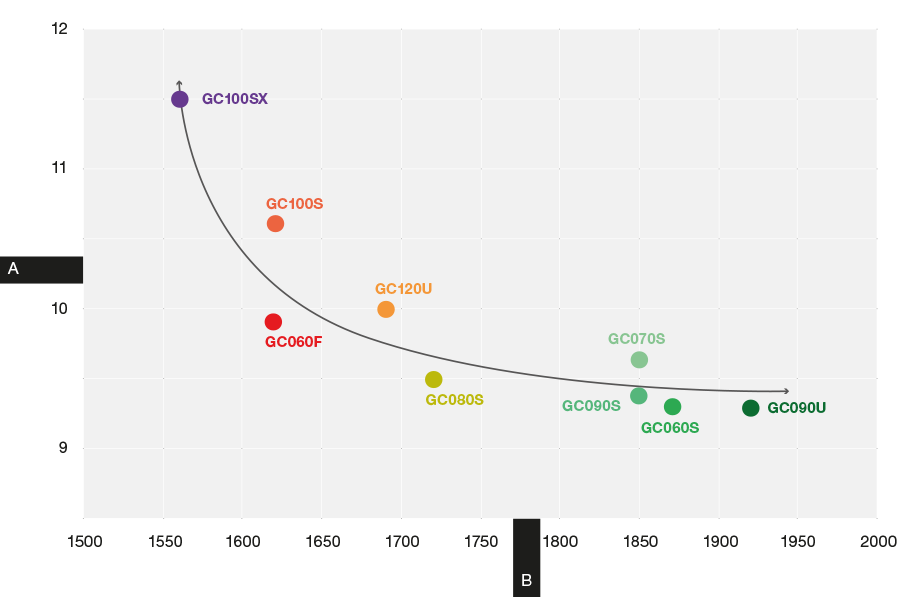
A = KIc (MPa – m½)
B = HV30 (kg/mm²)
Fracture toughness vs. hardness
Hardness and fracture toughness in carbide are often contradictory: hardness makes the material resistant to wear, but also more brittle and susceptible to cracks. Fracture toughness improves resistance to breakage and impact, but at the expense of hardness. Depending on the application, a compromise is chosen: high hardness for abrasion-resistant applications and higher fracture toughness for impact-stressed applications. The graphic will help you decide between our different carbide grades.
Carbide in application
For high-quality cutting tools, the composition of the cutting material depends on which materials are to be machined later. In this table, you can find out which carbide grade is best suited for machining your material.
| Sorten | GC100SX | GC060F | GC100S | GC120U | GC080S | GC070S | GC090S | GC060S | GC090U |
|---|---|---|---|---|---|---|---|---|---|
| Drilling | x | x | x | x | x | x | x | x | |
| Milling | x | x | x | x | x | x | |||
| Reaming | x | x | |||||||
| Thread cutting | x | x | x | x | |||||
| Titanium alloys | x | x | x | x | |||||
| Mickel alloys | x | x | |||||||
| Aluminium alloys | x | x | |||||||
| Heat-resistant alloys | x | x | x | ||||||
| High-alloy steels | x | x | x | ||||||
| Stainless steels – austenitic | x | x | x | ||||||
| Stainless steels – ferritic | x | x | x | ||||||
| Grey cast iron | x | x | x | ||||||
| Malleable cast iron | x | x | x | x | |||||
| Copper alloys | x | x | x | ||||||
| Superalloys (on Fe-/Ni-/Co-/Ti-based) | x | x | x | ||||||
| Hardened steels | x | x | x | x | |||||
| GFK/GRP | x | x | x | x | |||||
| Composite materials | x | x | x | x | x | ||||
| Plastics | x | x | x | ||||||
| Non-metal | x | x | |||||||
| Wood | x | x | |||||||
| Graphite | x | x | x |
Rods
The basis for your cutting tools
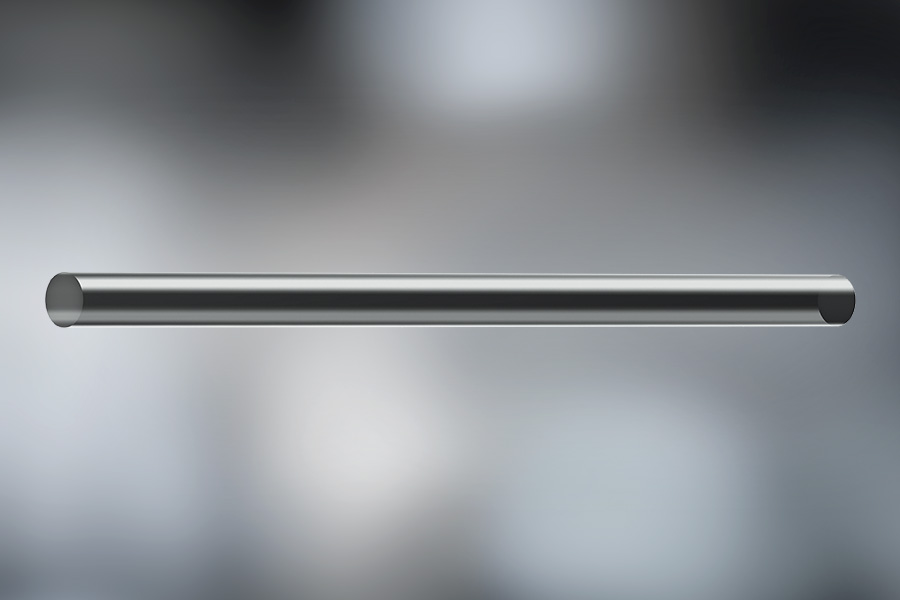
Our carbide rods are ideal for manufacturing internally cooled cutting tools such as milling cutters or drills. The rods are available blank or ground to h6 tolerance and in a standard length of 330 millimetres.
Your benefits
- rods with one, two or three cooling channels
- parallel cooling channels and swirl with 15, 30 or 40 degrees pitch
- also available rods with two minimum swirl cooling channels from warehouse
Solid rods in the online shop
Coolant duct rods in the online shop
Milling cutter blanks
For milling tools in top quality
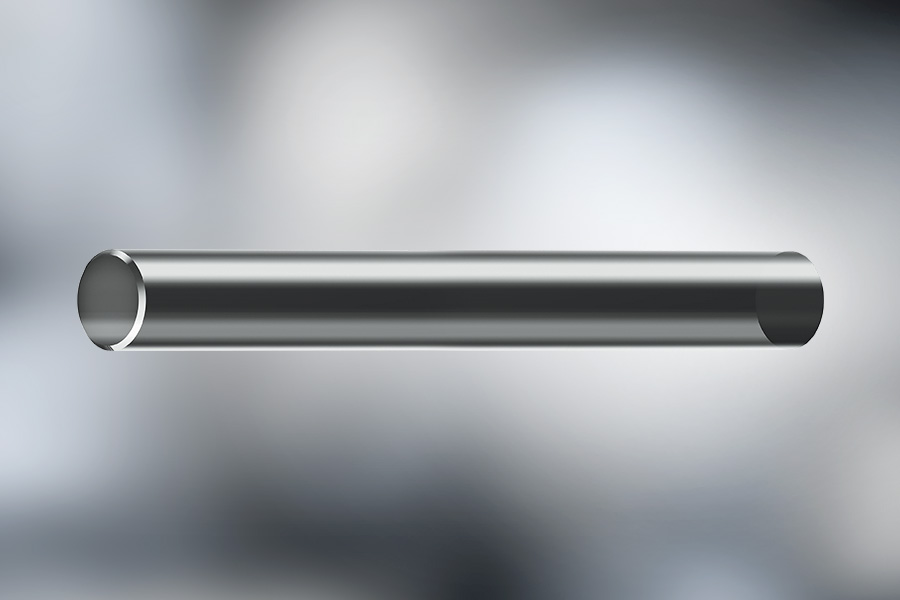
We offer high-quality semi-finished products that our customers process into milling tools. The milling cutter blanks are available in various lengths and equipped with cooling channels for radial internal cooling machining.
Your benefits
- according to company standard and h6 tolerance ground with bevelled edge on one side
- with central coolant duct and 3 to 5 radial outlets
Drill blanks
Perfect conditions for your drill
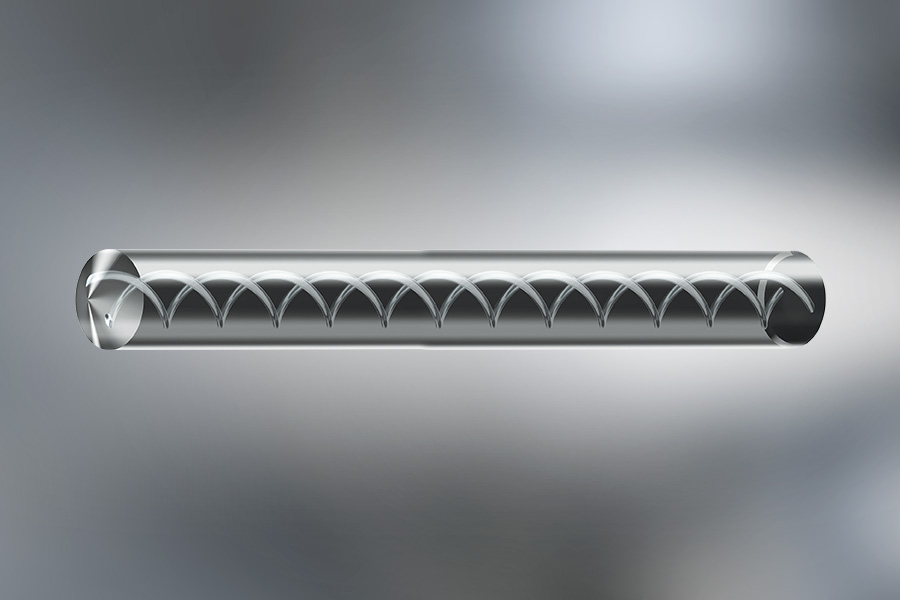
Our ground carbide drill blanks serve as the starting material for the production of drilling tools with different diameter length ratios. Thanks to the high quality of our carbide, you can produce particularly durable drills.
Your benefits
- available in 3xD, 5xD and 7xD
- with bevelled edge on one side
- 2 coolant ducts, 30° twisted

 Online shop
Carbide recycling
Conserving resources for the future with Gühring
Drilling tools
Historically good: our drills set standards
GTMS
Our software takes care of the most common tasks in your company


