



Automotive
Complex components, new materials
Increasingly lighter and more powerful engines with ever lower fuel consumption and an improved CO2 balance – the future of the automotive industry is characterised by lightweight construction and hybrids. In this challenging environment, the industry is seeking its salvation in new engine and body architectures, which is driving the development of new materials.
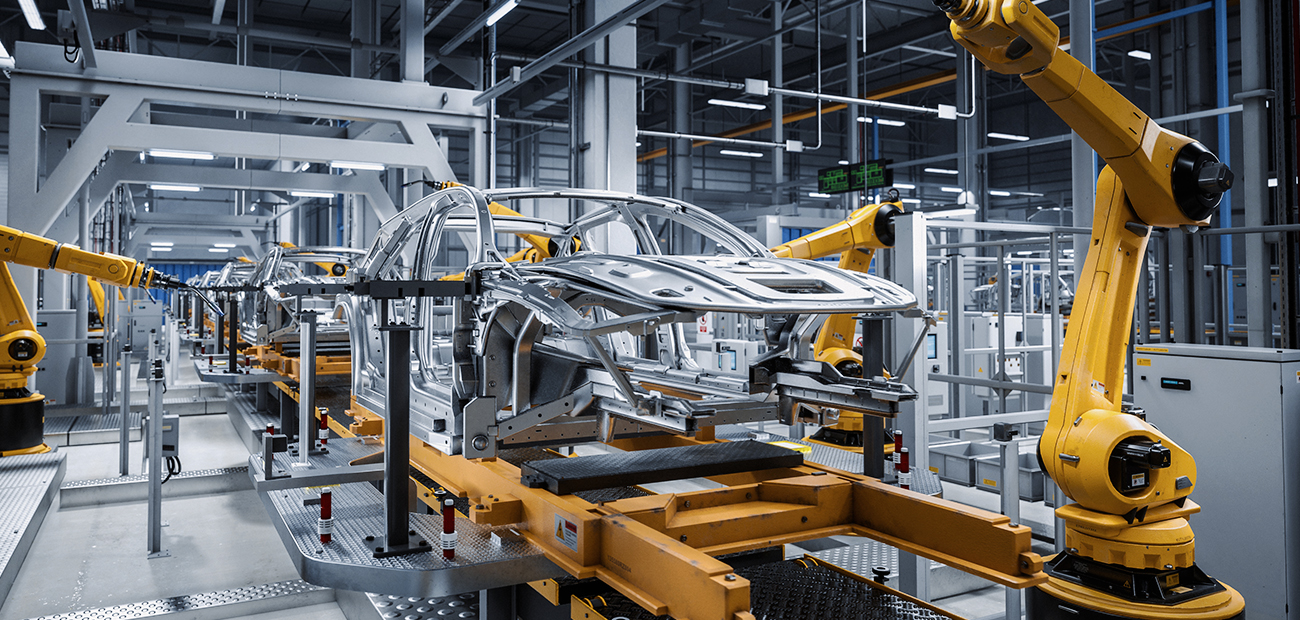
More efficient with modern materials
Modern fibre-reinforced plastics (FRP) materials are currently finding their way into a wide range of industrial applications for reasons of efficiency, weight, strength or dynamics. With their specific properties, they are expanding the group of classic metallic lightweight materials such as aluminium and titanium alloys. FRP or multi-material systems, a mixture of FRP and metallic materials, are therefore no longer the exclusive preserve of aerospace, motorsport and other high-end applications. The major growth in automotive and commercial vehicle technology is particularly noteworthy.
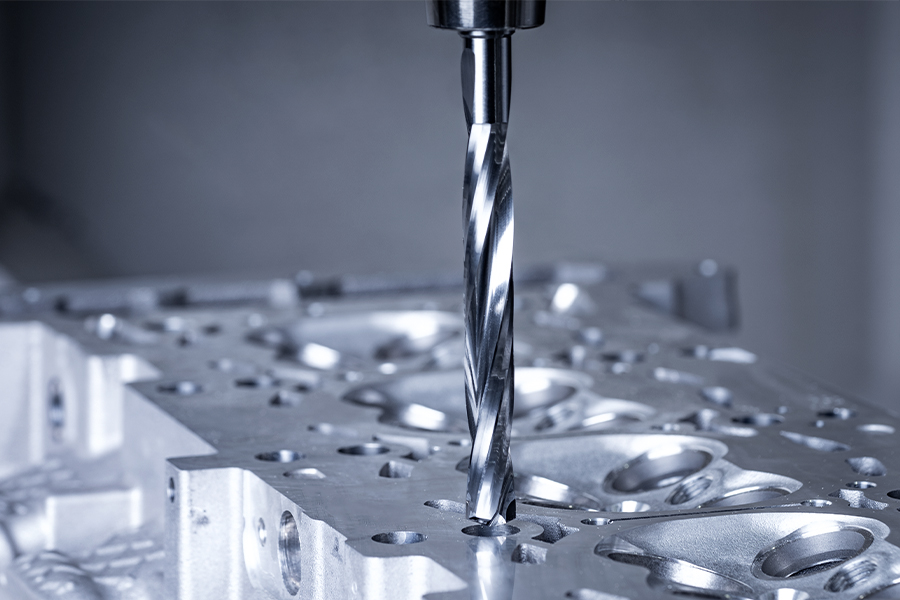
With diamond and carbide to machining success
FRP is used wherever high specific strength with low weight and highly dynamic or energy-efficient processes are required. In the machining of CFRP, GFRP and stacks (CFRP-metal layer composite), the cutting edge quality and the softness of the cutting material are generally of decisive importance in order to avoid component damage. For these demanding materials, Gühring offers special tool solutions made of solid carbide, coated carbide and with PCD cutting edges, which are matched to the respective material structure and ensure chip transport and uniform hole diameter.

 Navigator
Energy technology
Economical machining of future technologies
Mechanical engineering
From design to series production

Aviation
Gühring on the rise in aircraft construction


