



Interchangeable head drilling system
BT 800
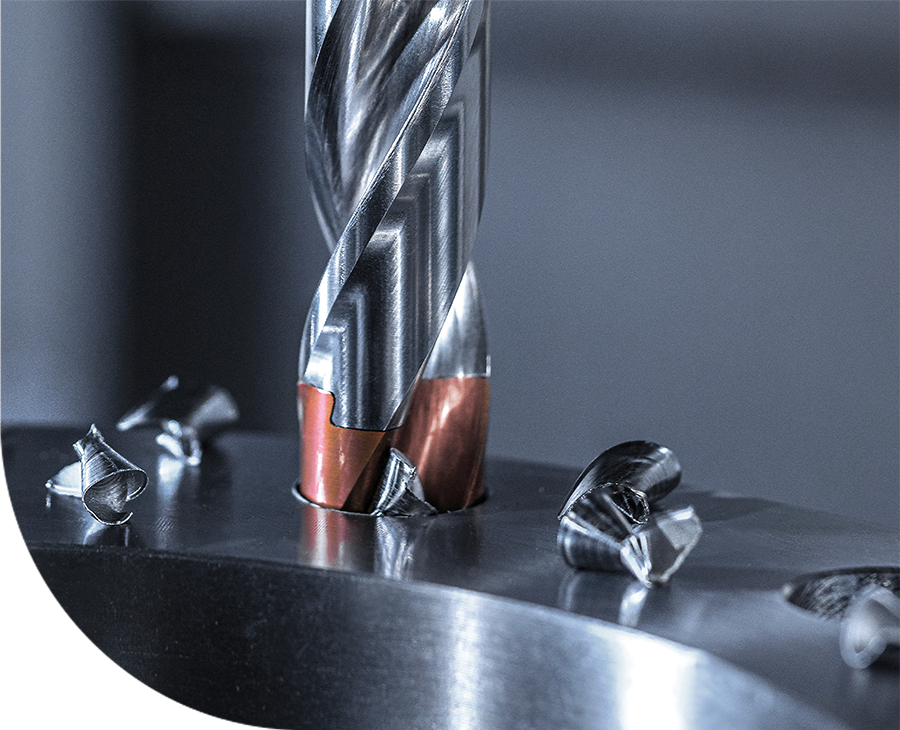
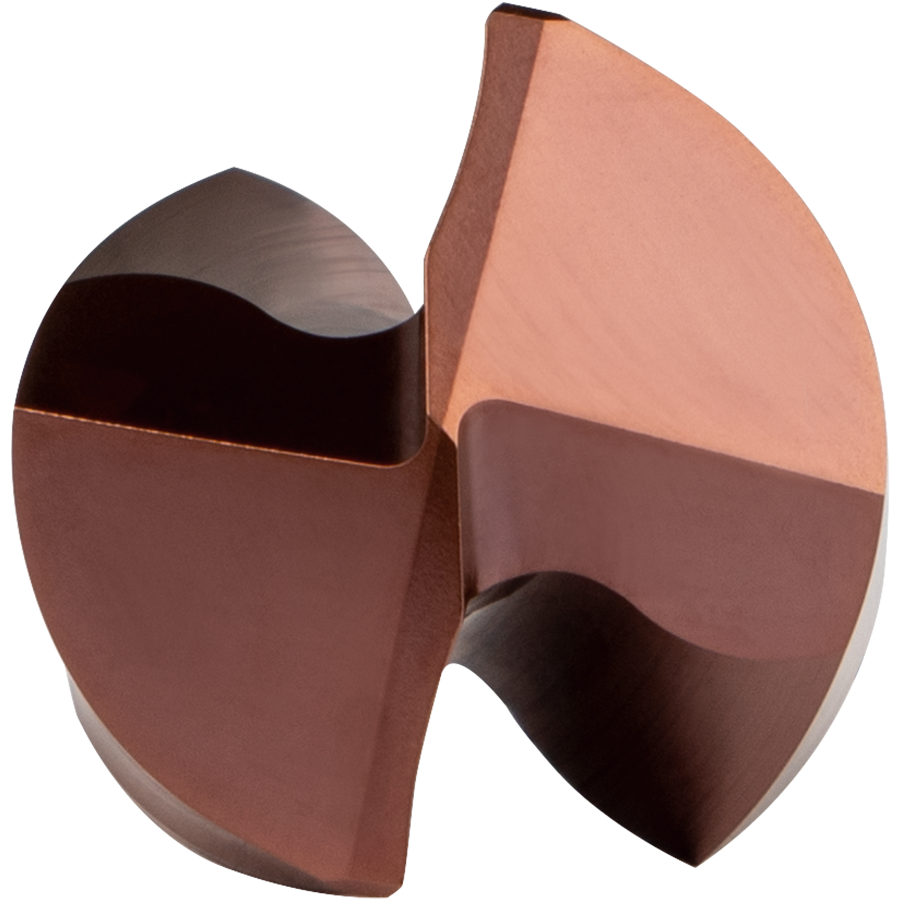
Flexible drilling with interchangeable drill heads
BT 800 is the better choice
The BT 800 modular system is more economical to purchase than the use of monolithic solid carbide-drills, especially from Ø > 14 mm. In the event of wear, only the drill head needs to be replaced, not the entire tool. In this way, you reduce the tooling costs.

Switching is worth it
The BT 800 enables the use of different drill heads on a standardised steel cutting body, allowing you to quickly adapt the tools to different materials or machining requirements.
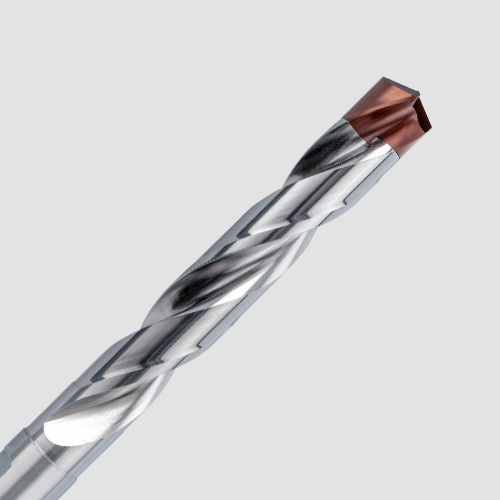
Interchangeable head-drilling system
BT 800
For fast head change and high cost-effectiveness
The BT 800 is a modular drilling system with a quick-change drill head thanks to bayonet interface. It offers high cost-effectiveness through longer tool lives and reduced set-up times.
Your benefits with the BT 800:
- fast and simple handling in combination with long life and high performance
- economical alternative to solid carbide drills
- minimisation of set-up times
The BT 800 in comparison
![Comparison of feed forces [N] between BT 800 drill head (yellow) and competitor (grey) – BT 800 shows lower and more consistent feed force during the machining process](https://guehring.com/wp-content/uploads/2025/05/GUE_wechselkopf-bohrsystem-vorschubkraefte.jpg "Comparison of feed forces [N] between BT 800 drill head (yellow) and competitor (grey) – BT 800 shows lower and more consistent feed force during the machining process")
feed force [N]
1 = competition, 2 = BT 800
Reduced feed forces
Compared to conventional modular drilling systems, the BT 800 enables a machining with reduced feed forces thanks to large, easy-cutting rake angles
Cutting data
- diameter (Ø): 17.50 mm (5xD)
- material: 42CrMo4
- cutting speed (Vc): 90 m/min
- feed (f): 0.3 mm/rev
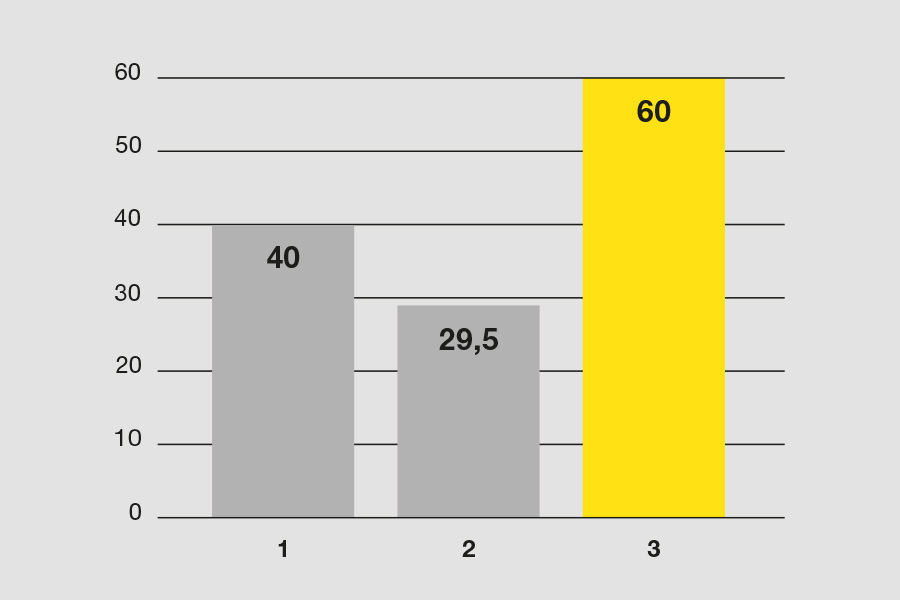
tool life [m]
1 = competition 1, 2 = competition 2, 3 = BT 800
Minimum wear
Despite longer tool lives, the BT 800 has significantly less corner wear compared to the competition
Cutting data
- diameter (Ø): 17.50 mm (5xD)
- material: 42CrMo4
- cutting speed (Vc): 90 m/min
- feed (f): 0.3 mm/rev
Flexibility & softness
The BT 800 combines the features of carbide with the advantages of modular tools. Thanks to its simple, fast handling in combination with a long life and good bore qualities, the modular system ensures shorter set-up times and more flexibility.
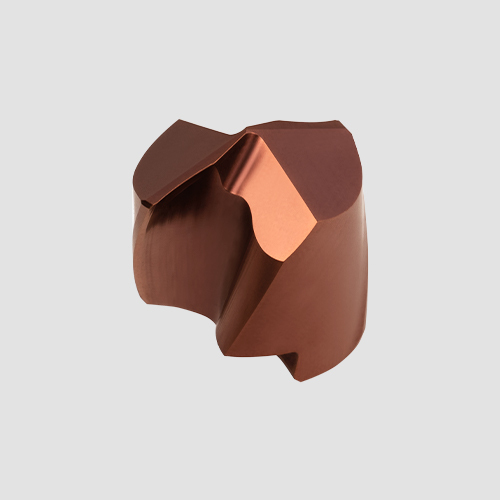
BT 800
P-drill head
Carbide drill head for steel processing
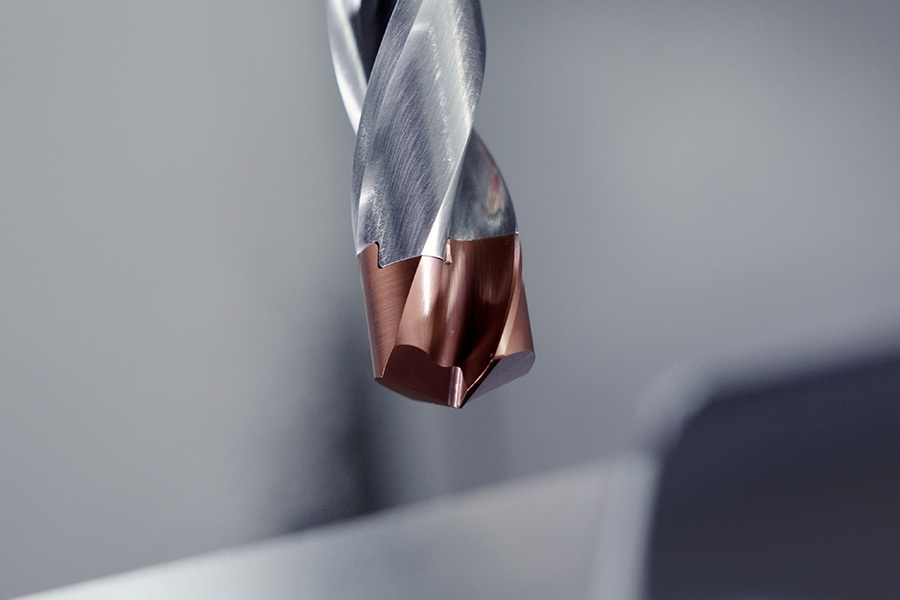
The carbide drill head, with the performance and geometry of a solid carbide drill, features premium cutting edge preparation for maximum tool life. Coordinated transitions from the drill head to the holder ensure a secure chip removal without chip jams.
Your advantages with the BT 800:
- diameter range 10.0 to 26.0 mm
- increased softness thanks to Persistum coating
- can be reground up to 2x
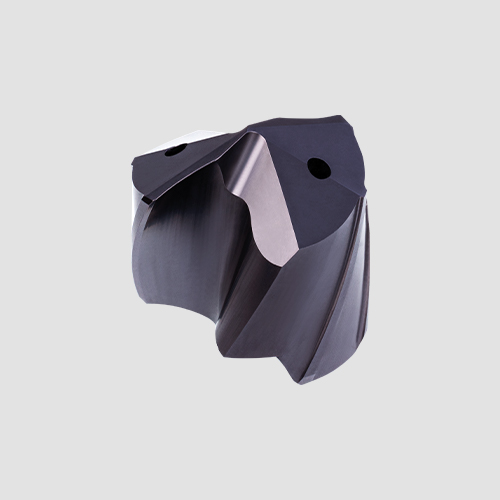
BT 800
Drill head for piloting
Interchangeable head for precise piloting
Thanks to a separate piloting drill head, you only need to change the tool head instead of the entire tool when switching between piloting and drilling. The head cooling ensures direct cooling at the drill tip so that chips are quickly removed from the cutting zone during piloting.
Your advantages with the piloting drill head:
- diameter range 10.0 to 26.0 mm
- double margin for precise piloting
- especially soft nanoFIRE coating
Important components of the modular drilling system
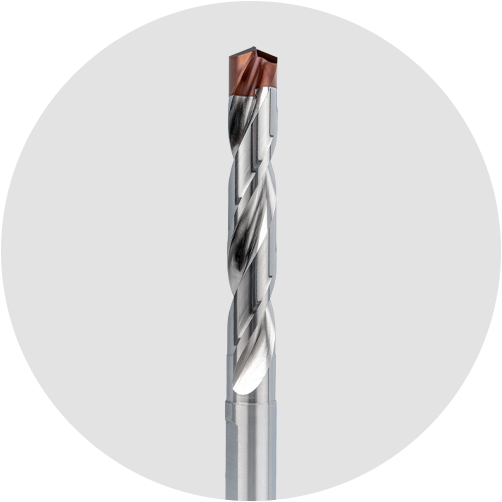
The drilling system BT 800 consists of a steel cutting body and interchangeable solid carbide drill heads. Thanks to these combination possibilities, you save costs for more expensive solid carbide tools and space in the stock level. Coordinated transitions from the drill head to the holder ensure a safe chip removal without chip jams.
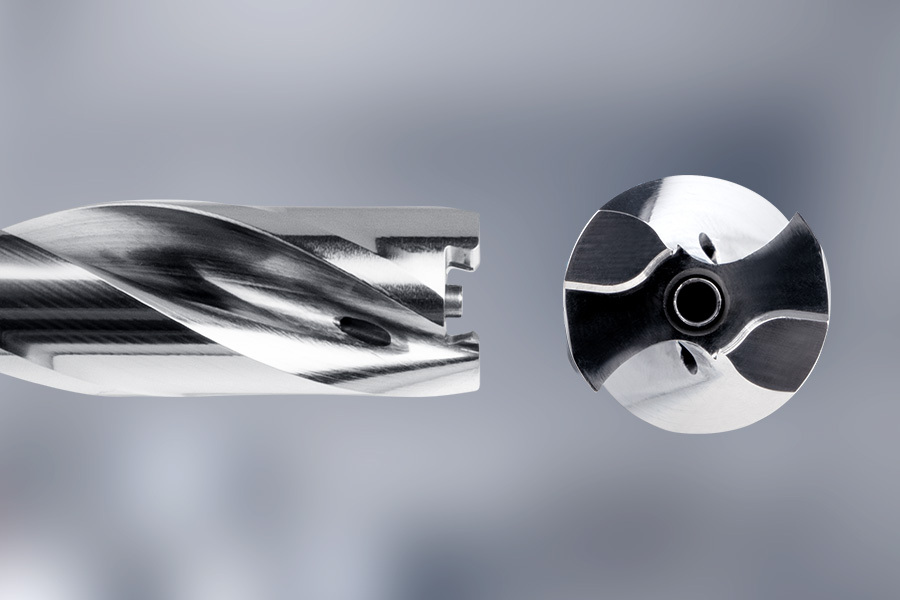
Steel holder for stable drilling processes
Only one shank is required for different applications. Polished flutes in the cutting body ensure process-reliable chip removal. In addition, closely spaced diameter increments in the holder sizes enable improved tool guidance in the hole and increase the stability of the entire drilling system. This results in longer life and better borehole qualities.
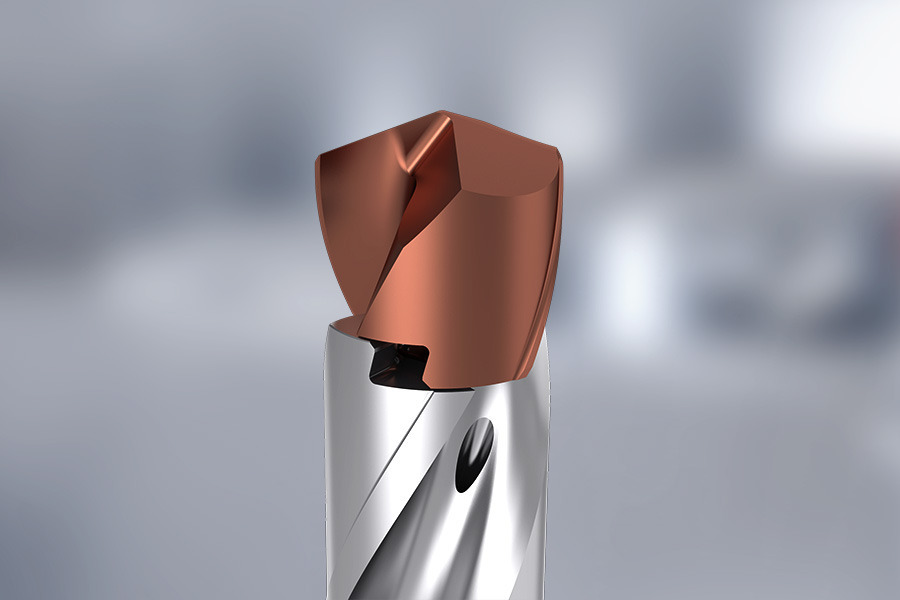
Removable drill head for maximum efficiency
The drill head offers the performance and geometry of a solid carbide tool. Large, easy-cutting rake angles reduce the feed forces, while coolant ducts with maximum cross-section and direct exit at the flute ensure a targeted cooling.
Bayonet lock for quick change
The centrepiece of the BT 800 is the soft bayonet interface, which scores with its simple handling and enables a quick head change directly in the machine.
You are currently viewing a placeholder content from YouTube. To access the actual content, click the button below. Please note that doing so will share data with third-party providers.
More InformationSimple assembly without screw connection
While the drill head and holder are connected via a clamping screw in many standard modular drilling systems on the market, the drill head in the BT 800 is simply clamped in the interface by a short rotary movement with the mounting key. Furthermore, stable centring and contact surfaces ensure a secure and play-free clamping mechanism and an optimum holder for cutting forces.
Fine increments for all lengths
The BT 800 interchangeable head system is available in lengths of 1.5xD, 3xD, 5xD, 8xD and 12xD. The possible diameter ranges for all length variants are between 10.0 and 26.0 mm. We offer 0.1 mm increments.

 Newsroom
Basics of modular drilling systems
What are modular drills?
Modular drills are tools that consist of several interchangeable components, typically a drill head and a shank. This design allows for flexible adaptation to different materials and applications without having to replace a complete drill.
Differences to monolithic drills
Modular tools have several advantages over monolithic tools, which consist of a single continuous piece of material without interchangeable components. For example, the drill heads of modular tools can be easily changed in the machine, eliminating the need for multiple pre-calibration. The drill heads are easily replaced, while the carrier continues to be used.
Comparison table
Modular vs. monolithic drill
Modular drilling systems offer many potential savings benefits, from more cost-effective replacement of new tools to reduced tool inventory and warehousing costs. The table below compares the key features of monolithic and modular tools.
|
Modular drill |
Monolithic drill |
|
|---|---|---|
| Tooling costs | lower, as only heads are replaced when worn | higher, as complete drills are replaced when worn |
| Tool change cycle | fast, as shank remains in machine and only the header is changed | slow, as a new tool setting is necessary |
| Storage costs | low, as fewer complete tools are required | higher, as more replacement tools are required |
| Cost-effectiveness | more cost-effective, especially for larger diameters | less economical for larger diameters |
| Regrindability | drill heads can be reground up to 2x | solid carbide tools can be reground several times |
| Suitable for | large diameter, unstable conditions, wide material range | rather stable conditions and wide material range |
Frequently asked questions about modular drilling systems
Why are modular drilling systems the future?
Modular drilling systems are the future as they offer an efficient solution to the increasing cost pressure and requirements to shorter processing times in modern manufacturing. In view of the growing requirements for flexibility and efficiency, modular systems are a key technology for reducing production costs while ensuring the highest quality.
How often can the drill heads be reground?
The drill heads of our BT 800 replaceable head drill can be reground up to two times. Customers have the option of handing over their drill heads to our professional regrind service.
What savings are possible by switching to modular drill?
Switching to modular drills offers significant savings in several areas. Shorter set-up times and less downtime reduce process costs, which increases productivity. In addition, in the event of wear, it is not necessary to replace the entire drill but only the drill heads, which reduces the tooling costs. Another advantage is the possibility of regrinding, which extends the tool life and avoids expensive new purchases. This significantly reduces both operating costs and material costs.
How does changing the drill head work with the bayonet lock?
To attach a drill head to the holder, it is best to proceed as follows:
- Clean the interface with compressed air
- Oil interface
- Insert the drill head into the interface so that it rests firmly on the holder
- Turn the drill head slightly clockwise
- Insert the wrench into the slot and tighten the drill head clockwise
- To remove, press the wrench firmly onto the drill head and turn counterclockwise
You can also find instructions for changing the drill head in our BT 800 application recommendation.
Which companies benefit most from modular drilling systems?
 Online shop
RT 100 InoxPro
High-performance drills for stainless steels and titanium alloys
RT 100 XF
RF 100 Sharp
Our sharpest milling cutter for soft, tough materials


