



Electrical industry
Digitalisation in focus
New technologies and materials enable new products and open up new markets. The new production and information technologies are significantly and sustainably transforming entire industries. Today, the electrical industry no longer consists of the electrical appliances and power supply sectors.
Miniaturisation of electronic components
Individual sectors of the electrical industry include plant construction, automation, batteries, electrical energy technology, cables, capacitors, transformers and the energy transition. The fields of information technology, smart living, IT security and, last but not least, the connection to automotive industry are steadily gaining importance: electric vehicles.
Research-intensive sub-sectors such as terminals, switches, sensors and actuators, with which the electrical industry contributes to the further development of Germany as a business location, are also important for the digitalisation of the entire economy. Components such as these require absolute process reliability, a reduction in interfaces, components, electrical contacts and cables, as well as a high process reliability in manufacturing, which defines the direct requirements for the tools used.
Gühring, with its unique depth of production and innovative strength, meets these requirements in a special way.
With the thread production and the reaming in the micro range, the mere miniaturisation of tools is not enough to achieve a satisfactory result. The aim here is to enable the series production of electronic components, as well as precision engineering and optical goods. Therefore, the process reliability and tool life are important to prevent unnecessary tool change cycles and to ensure a cost-effective production in the micro range.
These conditions require manufacturing technologies that are tailored to the product. Gühring’s special expertise in tool manufacturing and grinding quality makes it possible to fulfil these requirements for micro machining as well. Key factors here include Gühring’s own carbide as well as cutting edge geometry and coating.

 Online shop
Future-oriented. Sustainable. Mobile.
E-mobility by Gühring
The automotive industry is changing: Alternative drive concepts such as the electric motor are putting completely new machining tasks on the agenda of the supplier. Gühring is globally and competently up to these challenges.
The challenges of the future clearly recognised
The mobility of our future will change. E-mobility is a key issue in the energy transition, and electric vehicles are an important part of the transport transition. E-motors have application in both hybrid vehicles and purely electric vehicles.
As a traditional supplier of the automotive industry, Gühring has been dealing with the challenges of e-mobility since the beginning of the electrification of the industry. From original equipment and retooling to the refurbishment of tools and Tool Management, we stand for competent solutions from a single source.
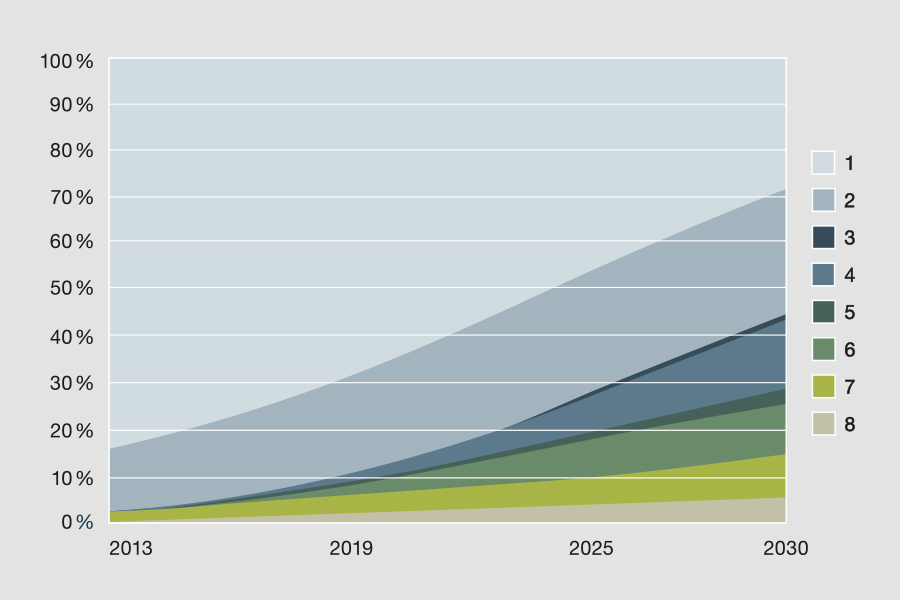
1 = conventional powered vehicle, 2 = consumption-optimised conventional powered vehicle, 3 = fuel cell vehicle, 4 = battery electric vehicle, 5 = range-extended electric vehicle, 6 = plug-in hybrid electric vehicle, 7 = full hybrid, 8 = mild hybrid
from: STRUKTURSTUDIE BWe mobil, Elektromobilität in Baden-Württemberg
E-mobility market development
E-mobility is on the rise and is increasingly catching up with conventional drive systems. The chart shows the market share of the various drive systems in global sales.
Future needs origin
Your partner for e-mobility
Gühring brings over 40 years of experience in the field of PCD (polycrystalline diamond) to the machining of e-motor housings. At the same time, the latest product innovations are integrated into e-machining. Gühring is working hard to ensure that the topic of e-mobility is dealt with holistically, from a single source and globally for its customers.
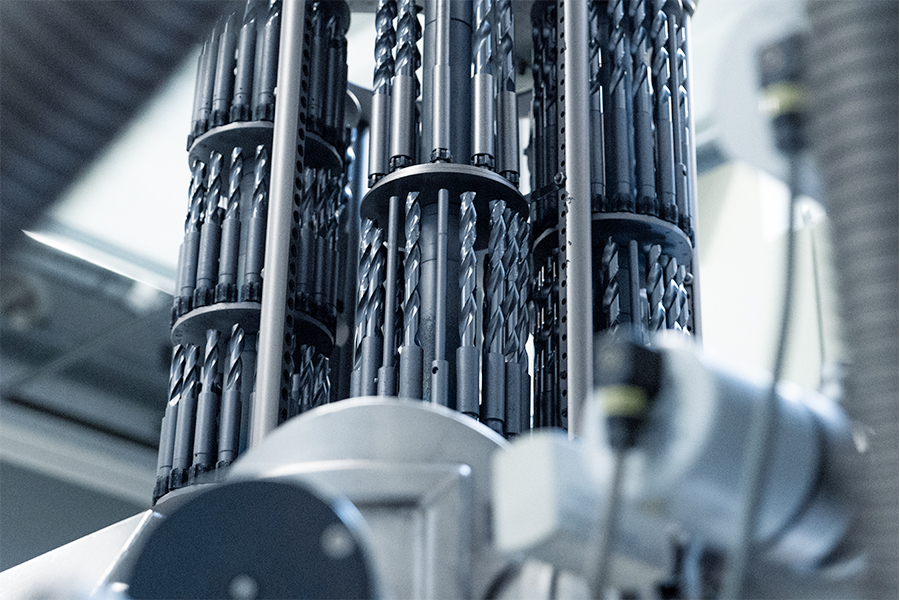
100 % depth of production
At Gühring, we help shape and implement trends in the metal industry. That’s why we bring together all the expertise required for tool manufacturing under one roof:
- coatings: in-house coating systems and in-house coating development
- tool materials: own carbide manufacturing
- geometries: in-house R&D for tool development
- plant & mechanical engineering: in-house mechanical engineering and in-house plant development
New drives thanks to Gühring tools
Gühring is a competent partner for the automotive industry in the series production of electric drives worldwide. Thanks to the strategy of a broad product portfolio, Gühring is optimally prepared for the dynamic technological change in the automotive powertrain.
All components at a glance
Gühring is already capable of machining all aluminium alloy components for electric vehicles. In addition to e-motor housings and the associated gearbox covers, auxiliary units such as battery trays or electric refrigerant compressors are also machined.
Future-proof tool concepts for e-mobility
Gühring offers its customers innovative tool solutions for machining all electrical components that require cutting. The process reliability of our tools is our top priority.
You are currently viewing a placeholder content from YouTube. To access the actual content, click the button below. Please note that doing so will share data with third-party providers.
More InformationJumping into the future together
As a specialist for special and plant machine construction, Fill relies on Gühring’s expertise from initial equipment to project completion.
You are currently viewing a placeholder content from YouTube. To access the actual content, click the button below. Please note that doing so will share data with third-party providers.
More InformationDiamond for e-motors
Thanks to Gühring, Dynacast can say goodbye to production downtime due to missing tools and high processing costs. Together, the two companies are developing reliable tooling solutions with enormous savings potential.
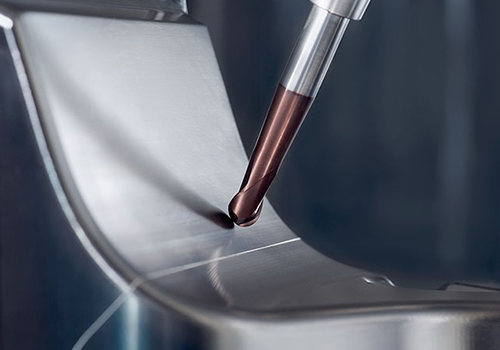
Mould & DIE
Shaping the future with tools from Gühring
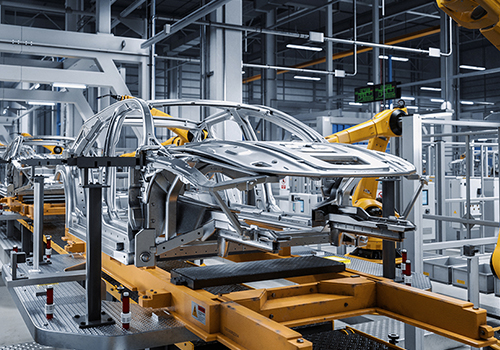
automotive
The best concepts for the mobility sector
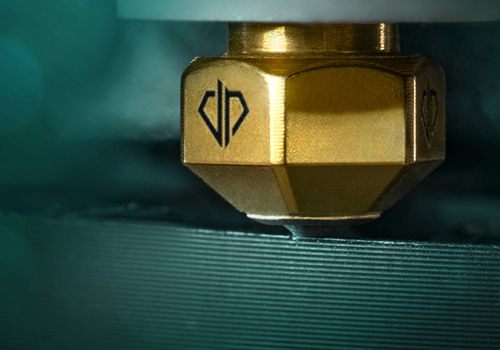
Additive manufacturing
Set new milestones in 3D printing


