



Endless 3D printing
Diamond nozzle prints wear-free materials from ceramics to carbide
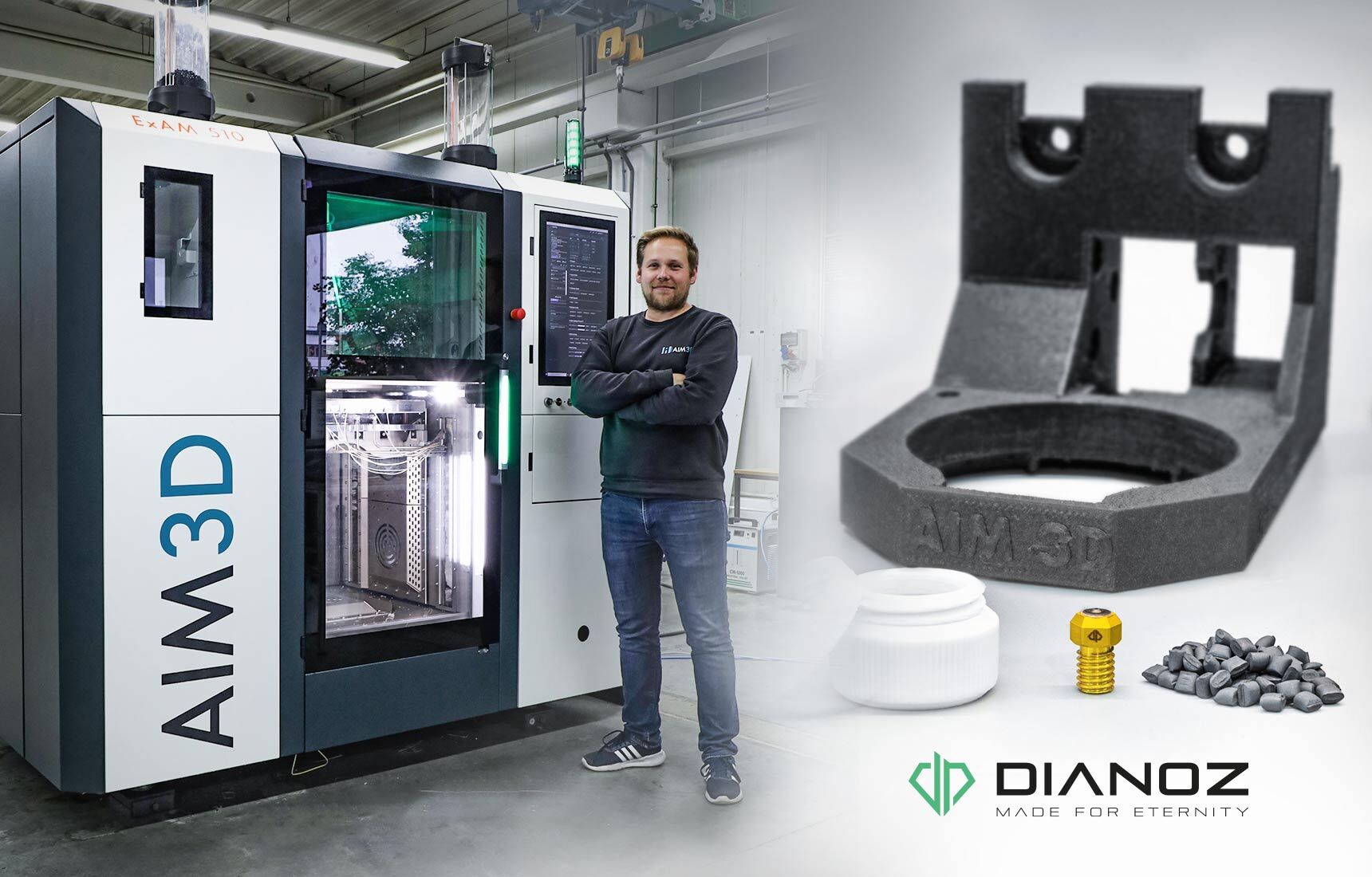
AIM3D develops and distributes granulate extruders for serial 3D printing. But when customers want to print carbide or ceramics, the company had a long period when it was unable to guarantee reliable processes. The problem: The printer nozzles could only withstand the abrasive materials for a short time. This meant that the size of the piece-printed components made of this wear-inducing material was also restricted due to the nozzle. A new diamond nozzle from Gühring changed everything.
Material eats through standard nozzles – but not Dianoz
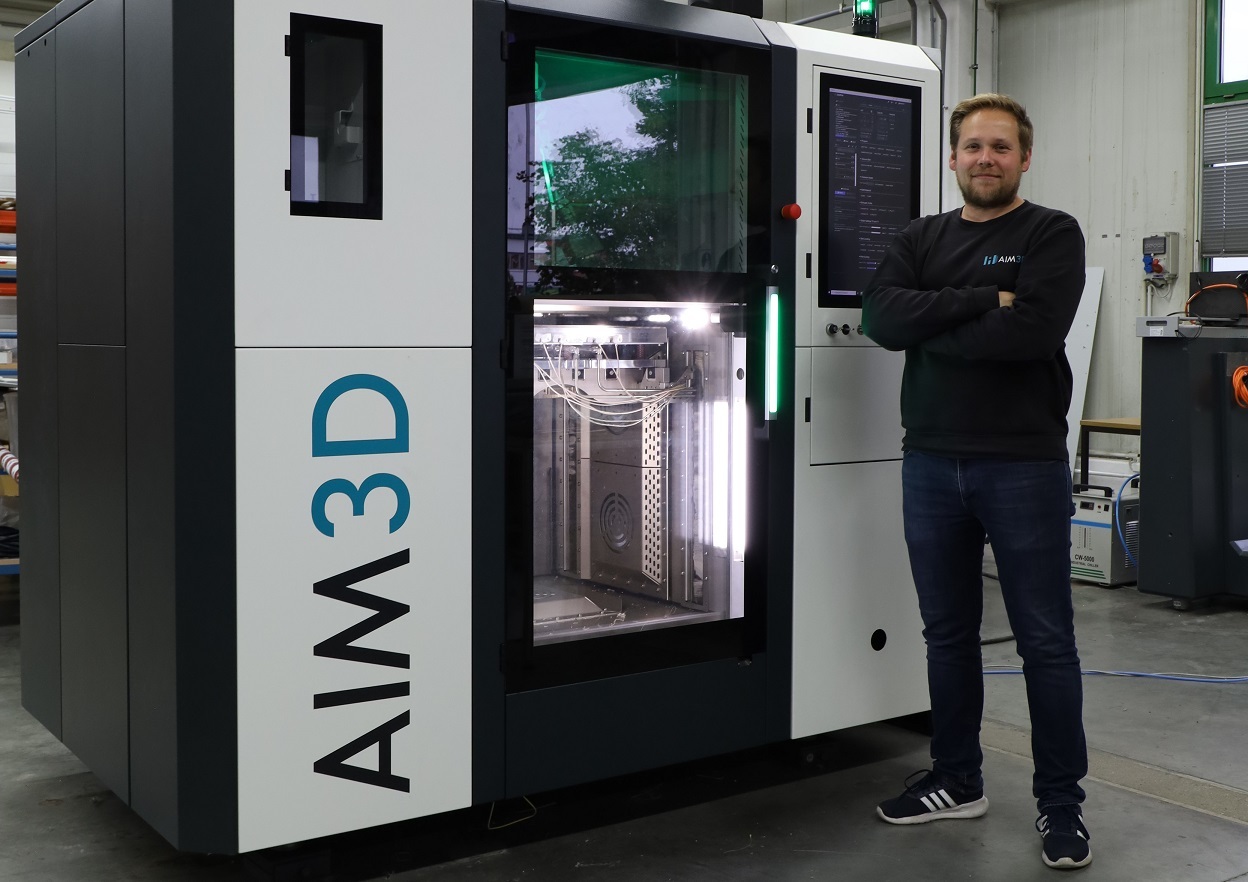
“The initial inquiry from our customers is normally: ‘I have a material and a problem – can we sort this out with your 3D printers?’” says Tim Weidner, who is in charge of process development at AIM3D. The materials to be printed are wide-ranging and, in addition to carbide and ceramic, also comprise all engineering plastics, including high-performance plastics such as Ultem or PEEK.
But although the AIM3D printers can easily print serial materials like these, the sticking point is often caused by a rather inconspicuous yet important part of the printer: the nozzle. “When printing carbide and ceramic, we work at the very least with hardened steel nozzles, but even they aren’t enough for the highly abrasive field,” Weidner says. “Here we tried a range of solutions on the market, but unfortunately we didn’t have the best experience.” He often found that the hardened steel and ruby nozzles were simply not produced to a high standard of quality. As a result, some customer concerns could not be met: “If I am given a very challenging material by my customers, my printer is only as reliable as the printer nozzle,” says Weidner.
Diamonds are 3D printers’ best friends
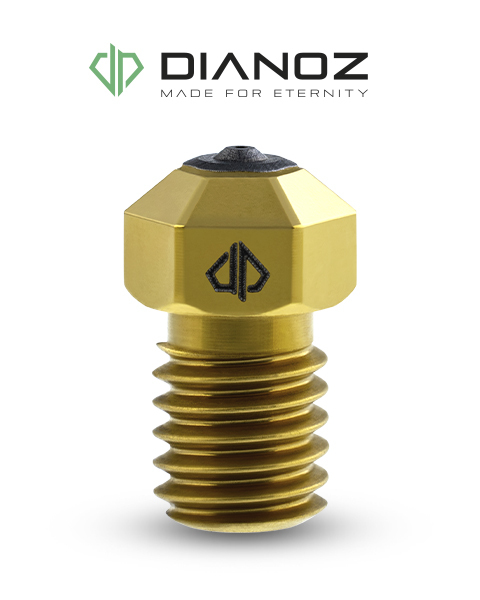
First and foremost, it is this resistance to wear that makes all the difference when printing. For example, the printing time for very large and complex components is up to 24 hours and sometimes even several days. Depending on the material, it may not be possible to finish printing this component with one standard nozzle in cases like this. Theoretically, the printing process could be stopped and the nozzle could be replaced.
10 kilograms of printed glass fibre-reinforced plastic
The importance of this wear resistance has also been demonstrated, for example, in the printing of a high-strength and extremely wear-resistant ceramic silicon carbide: A steel nozzle was so worn out after just two hours that the nozzle exit had expanded from 0.4 mm to 0.6 mm. In these circumstances, it was not possible to finish printing the component. “The problem of wear with ceramic printing is as old as our company itself,” says Weidner. In contrast, the Dianoz nozzle showed no changes after printing the silicon carbide – even after several weeks of use.
Consistent quality guaranteed
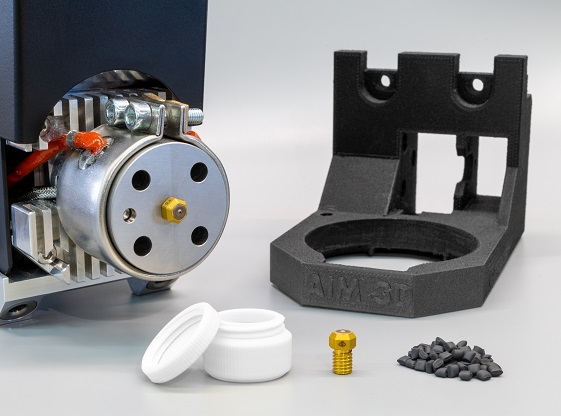
At the moment, AIM3D uses four nozzles in different diameters. The oldest nozzle has been printing for over three years – and can cope with any material. However, the company also recommends the Dianoz nozzle to its customers when they purchase a printer to be used to print carbide or ceramic, for example. “Then we offer Dianoz as a standard nozzle,” says Weidner. “After all, customers expect our product to always deliver the same quality, and that’s only possible with the right nozzle.”
Do you have questions about DIANOZ? Would you like to order directly? Contact us:

Head of Sales for Trade & Special Parts, Private Label
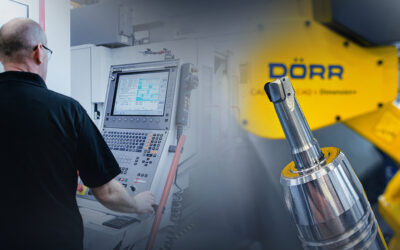
Maximum tool lives in aluminium
How real progress emerges from challenges is demonstrated by Dörr together with Gühring: By using the PKD Diver from Gühring, the company from Sankt Augustin quadruples tool life, reduces tooling costs, and elevates the surface quality of its components to a new level.
System 208 enhances stability
Unattended night shifts without risk: Veile Feindrehteile significantly increases process reliability and tool life in stainless steel machining with System 208. The result: stable processes, less scrap, and more cost-efficient production.
Mastering VA threads with ease
Decommissioning nuclear power plants demands maximum precision—especially for stainless steel threads. Weisser Bärwinkel relies on Gühring’s Pionex to master even tough materials. The result: more stable processes, longer tool life, and higher productivity.


